![Charlesgate [logo]](https://www.charlesgate.net/wp-content/uploads/sites/218/2016/12/logo-new.png)
How to Fall Safely: Smart Strategies for Seniors
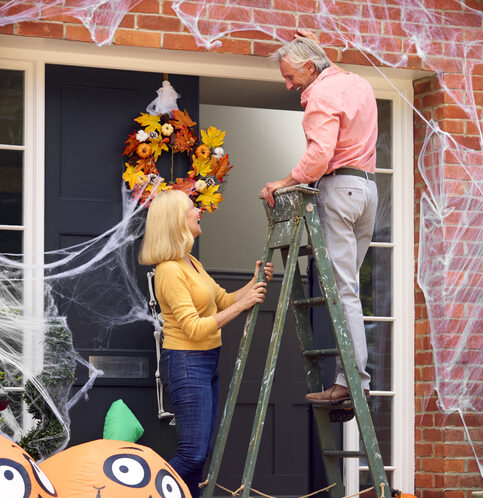
Autumn in Providence brings crisp air, colorful leaves, and cozy afternoons. September also marks National Falls Prevention Awareness Month, a reminder that falls are the leading cause of hospitalizations for older adults.
Falls are a serious health risk for older adults, especially for those living alone. Injuries sustained during a fall can lead to reduced mobility, loneliness, hospitalization, and even long-term disability or death.
Even with great prevention and preparation strategies, falls still happen. Knowing how to fall can be just as important for reducing the risk of severe injuries. Even gymnasts are trained to take a tumble.
Safe falling techniques for seniors
While it might sound counterintuitive, there are real techniques—many borrowed from martial arts and physical therapy—that can reduce the likelihood of serious injury during a fall. Here are a few expert-backed tips adapted from the New York City Department of Health:
- Don’t stiffen up. Try to relax your muscles as you fall. A stiff body is more likely to absorb impact in one spot and get injured.
- Tuck your chin. If you’re falling forward, aim to bring your head toward your chest. This helps protect your face and skull.
- Turn to the side. Falling directly forward or backward is more dangerous. Try to roll slightly to the side, distributing the force across more of your body.
- Use your forearms, not your hands. Our instinct is to reach out with our hands, but that often leads to broken wrists. Try to absorb the impact with your forearms instead.
- Bend your knees. If you fall backward, bend your knees to help lessen the force on your spine and hips.
What to do after a fall
If you’ve fallen, the first step is to stay calm and take a moment to assess your body. Are you in pain? Can you move? If there’s no sign of serious injury and you feel capable, follow these steps to get up safely:
- Roll to your side to reduce strain.
- Crawl to a sturdy piece of furniture like a chair or couch.
- Use your hands and knees to lift yourself into a kneeling position.
- Slowly push up with your arms and legs, using the furniture for support.
If you are injured or unable to get up, call for help immediately. Carrying a phone or a medical alert device is one of the simplest ways to ensure you’re never completely alone. If you can’t reach your phone, try to slide or crawl toward help, bang on shared walls or floors to alert neighbors, and cover yourself with a towel or blanket to stay warm until someone arrives.
How independent living helps reduce fall risk
Independent living communities such as Charlesgate are designed with fall safety in mind. Bathrooms often include grab bars, non-slip flooring, and walk-in showers. A robust emergency response system is in place, ensuring help is always close by.
Residents also benefit from wellness programs, walking clubs, and on-site support that encourages mobility and confidence. It’s a unique balance of independence with built-in safety, giving both residents and their families peace of mind.
Whether you’re living at home or considering a move to independent living, it’s never too early to build the skills and support systems that help you stay strong, steady, and safe. At Charlesgate, we’re here to help you live life with confidence and peace of mind.